What the 2026 Market Pulse could mean for New Zealand fleets
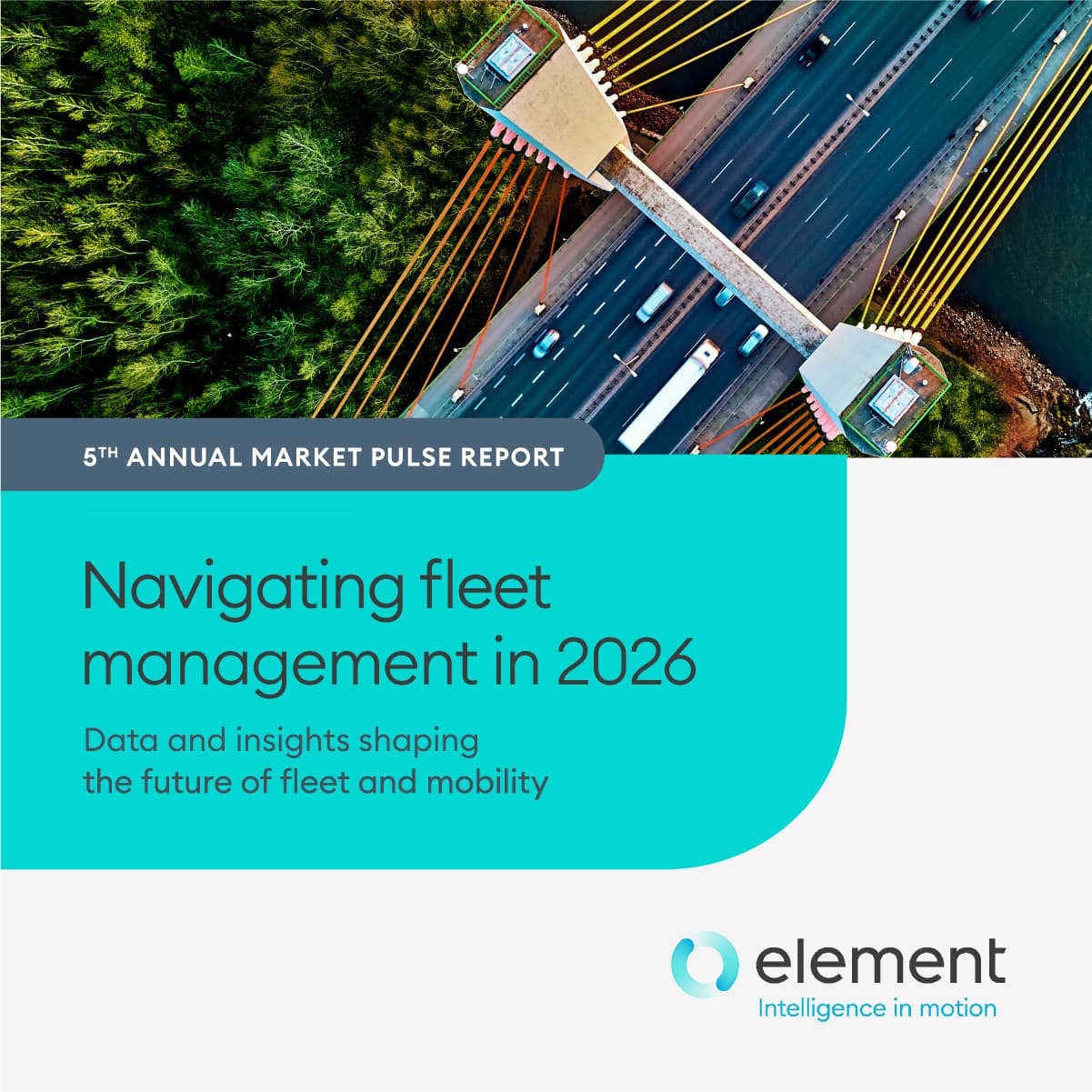
New fleet insights are emerging from Element’s 5th Annual Market Pulse Report, showing that economic pressure, emerging technology and changing sustainability expectations are influencing how organisations think about fleet investment.
Element Fleet Management's 2026 Market Pulse Report examines how fleet and business leaders across North America are responding.
Although the findings aren't specific to New Zealand, they highlight several global trends that are highly relevant for local fleet operators.
One theme runs throughout the research: organisations are continuing to modernise their fleets, but investment decisions are becoming increasingly focused on measurable value.
Cohen McElroyMarketing and Communications Manager ANZ
05 May 20263 min read
Fleet costs are under greater scrutiny
In the 2026 market pulse survey, 78% of respondents identified cost savings as a priority.
For New Zealand organisations, that reinforces the need to look beyond individual expenses and understand the complete cost of operating a fleet.
Vehicle acquisition, servicing, energy use, downtime, administration and depreciation all contribute to total cost of ownership.
Connected fleet data can make these costs easier to understand, helping organisations identify where changes to vehicle selection, replacement cycles or operating practices could improve performance.
Optimising existing vehicles is gaining importance
The Market Pulse findings show many fleet leaders prioritising stability, with 50% expecting to maintain their current fleet size.
Some organisations are also extending replacement cycles in response to cost pressures.
That approach can make sense in the right circumstances, but keeping vehicles in service for longer needs to be balanced against maintenance costs, reliability and vehicle availability.
For New Zealand fleets, understanding how each vehicle performs throughout its lifecycle can support more informed replacement decisions and help avoid savings in one area creating additional costs elsewhere.
Digital tools are solving practical fleet challenges
More than half of respondents are exploring AI and digital tools, but the areas receiving most attention are highly practical.
Safety and cost management are the leading applications.
That's an important distinction. Innovation creates the most value when it solves a clearly defined operational problem.
Telematics and connected fleet technology can provide visibility into how vehicles are being driven and used, helping organisations identify patterns, manage costs and make decisions based on evidence rather than assumptions.
As AI capability develops, that information can become even more useful by helping organisations identify trends and potential issues earlier.
Combining data and training strengthens driver safety
Safety also remains a major priority for fleet leaders.
The report highlights the use of formal training, telematics-based coaching, vehicle monitoring and AI-enabled assessments as organisations look for better ways to manage driver risk.
This supports a broader view of fleet safety.
Driver training is an important tool, but stronger outcomes can come from combining it with telematics, accident management and fleet insights.
Together, these capabilities can help organisations identify risk, target interventions and measure improvements over time.
Fleet electrification is becoming more flexible
Another significant theme is the move towards phased decarbonisation.
The report shows increasing interest in EV transition planning, while hybrid vehicles and alternative energy options are also being considered as practical pathways.
For New Zealand organisations, this reinforces the value of developing an electrification strategy based on real operating requirements rather than adopting a single solution across every vehicle.
Route patterns, charging access, vehicle requirements, cost and utilisation all influence which vehicles are suitable for transition and when.
A staged approach can allow organisations to reduce emissions while maintaining the operational performance their teams depend on.
Fleet strategy is becoming more evidence-led
The overall message from the market pulse report is that organisations are becoming more selective about their approach to innovation.
Investments in technology, safety, mobility and sustainability are increasingly expected to demonstrate how they improve cost, efficiency, resilience or performance.
For organisations in New Zealand, access to quality fleet data and expert analysis can help determine where investment is most likely to create value.
That means understanding what the fleet is doing today, identifying the opportunities that matter most and building a strategy around measurable outcomes.
Recent articles
Explore the report
Read Element Fleet Management's full 2026 Market Pulse Report to explore the trends influencing fleet and mobility strategies globally.
Get in touch
Talk to us about building a more efficient, resilient and informed fleet strategy.