The future of mobility is no longer centred on vehicles alone. Instead, it is increasingly being shaped by the decisions, data and ecosystems that sit around them.
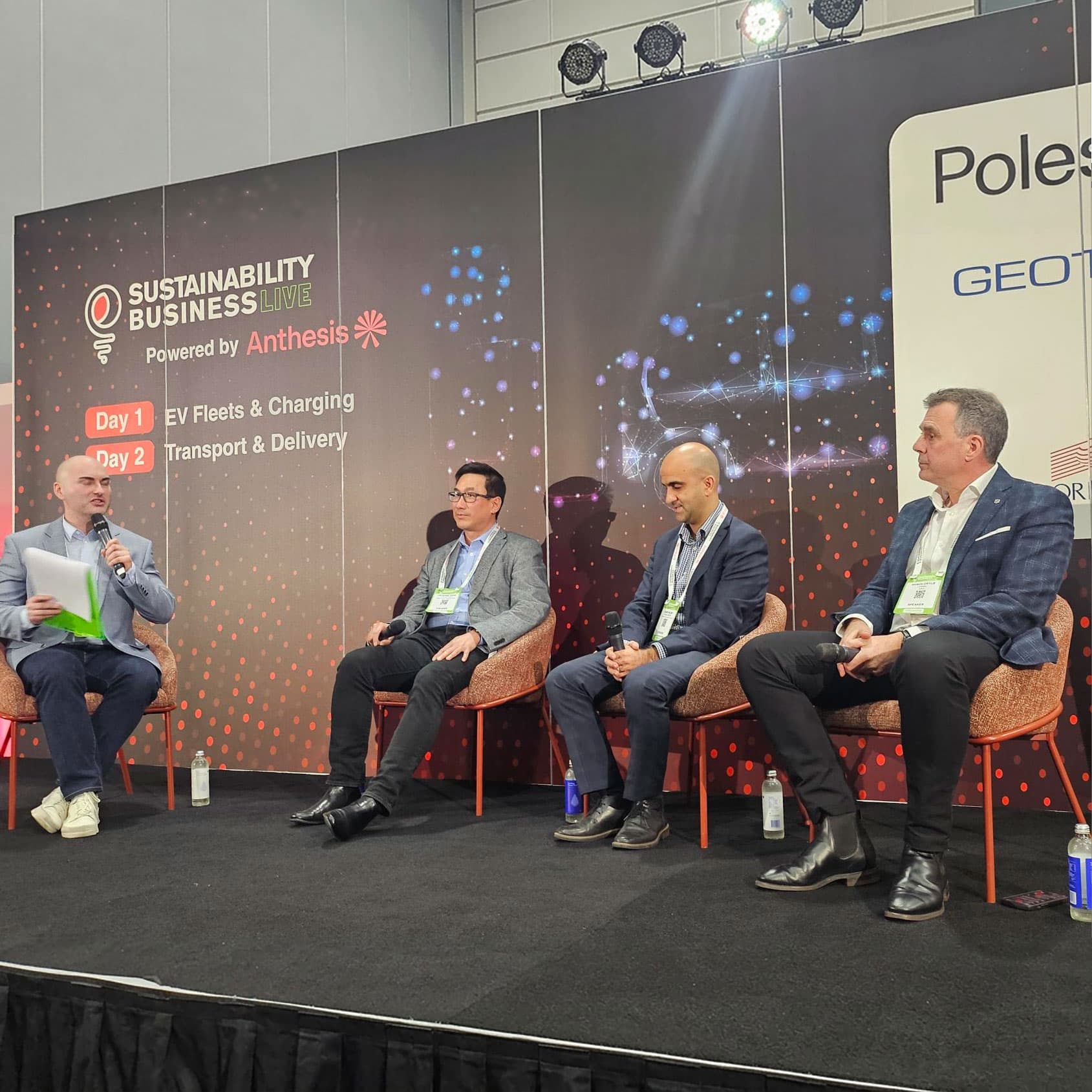
Facilitated by Shaun Cameron, our panel session, Beyond fleet: building the intelligent mobility ecosystem, brought together perspectives from fleet management, energy and mobility technology.
The panel featured Leonard Tham (Custom Fleet), David Helmy (Origin Energy) and Shaun Drylie (Carbn Group).
Cohen McElroyMarketing and Communications Manager ANZ
15 Jun 20262 min read
Together, they explored how changing customer expectations, emerging technologies and sustainability priorities are influencing the next generation of mobility solutions.
For many organisations, the focus is shifting from managing vehicles to understanding how mobility can create broader business value.
Mobility is becoming a strategic capability
Historically, mobility has often been viewed as an operational requirement focused on vehicles, cost management and compliance.
That role is expanding.
Advances in technology, growing sustainability expectations and access to richer data are changing how organisations think about mobility.
Increasingly, mobility is contributing to operational performance, employee experience, sustainability objectives and long-term business strategy.
The organisations leading this transition are focusing less on the assets they manage and more on the outcomes they can achieve.
Connected ecosystems create new opportunities
One of the strongest themes from the session was the importance of connection.
The future of mobility is not being driven by a single technology, vehicle type or platform.
Instead, value is being created when mobility, technology, energy, sustainability and data work together.
Organisations that connect these traditionally separate functions can create more integrated experiences, improve decision-making and unlock greater business value.
The opportunity lies in bringing these capabilities together to create better outcomes across the entire mobility ecosystem.
Data is changing how decisions are made
The role of data featured prominently throughout the discussion.
Historically, many mobility and fleet decisions relied on disconnected systems, fragmented reporting and retrospective analysis.
Today, connected data is providing a clearer picture of vehicle usage, operating costs, emissions and performance in real time.
This enables organisations to move beyond understanding what happened and focus on determining what should happen next.
Greater visibility creates opportunities to improve efficiency, optimise resources and better align mobility decisions with business priorities.
Sustainability is becoming part of everyday decision-making
Sustainability is increasingly being integrated into broader business strategy.
Rather than operating as a standalone initiative, it is becoming a factor in how organisations evaluate performance, resilience and future growth.
Whether through fleet electrification, improved asset utilisation or operational efficiencies, organisations are recognising that sustainability outcomes and business outcomes are closely connected.
Importantly, meaningful progress does not require immediate transformation.
Many organisations are focusing on practical initiatives that deliver measurable commercial benefits while supporting emissions reduction goals.
The conversation continued beyond the event
One of the most positive outcomes from the session was the level of engagement that followed.
Conversations continued well beyond the panel discussion, with attendees sharing perspectives, challenges and ideas about the future of mobility.
Those discussions reinforced a common theme: the future of mobility is already taking shape.
It's increasingly connected, data-led and playing a larger role in business performance.
For organisations willing to embrace new ways of thinking, mobility presents an opportunity to improve outcomes for people, businesses and the communities they serve.
Learn more
Contact us to find out how we're helping organisations across New Zealand build connected, data-led mobility strategies that support performance, sustainability and future growth.